Cabin Design
The Lightwell Cabin | Modern Mountain Cabin Plans with Prefab-Inspired Style
About Lightwell Cabin
1
1
603 sqft
The Lightwell Cabin is a single-level, prefab-inspired one bedroom built around a deliberate light strategy. Multiple skylights and windows on both sides bring natural light deep into the home throughout the day, creating the open, airy feel that the design its name. The layout keeps everything on the ground floor, including a full kitchen, open-plan living, a bedroom, a design-led bathroom, and a dedicated laundry, so it works more like a compact home that a typical weekend cabin. It suits the alpine and mountain retreat market well: refined enough to appeal to buyers who care about design, and practical enough to function as a short-stay rental.
Cabin Design Specifications
Dimensions
Imperial: 45.9ft x 13.1ft x 13.7ft
Metric: 14m x 4m x 4.2m
Layout
1 Bed
1 Bath
Design Type
Cabin
Sleeps
Up to 2
2 Adults
Plans/Blueprints Available
Plans Exported With:
Export with instant generate plans tool & Take off tool in 3D Designer
Take an Interactive 3D Tour of Lightwell Cabin
Step inside this cabin design and explore every corner at your own pace with our interactive 3D Viewer.
Design Walkthrough
The Design Concept Overview
The Lightwell Cabin was designed around a single idea: that a compact home should feel open, not compressed.
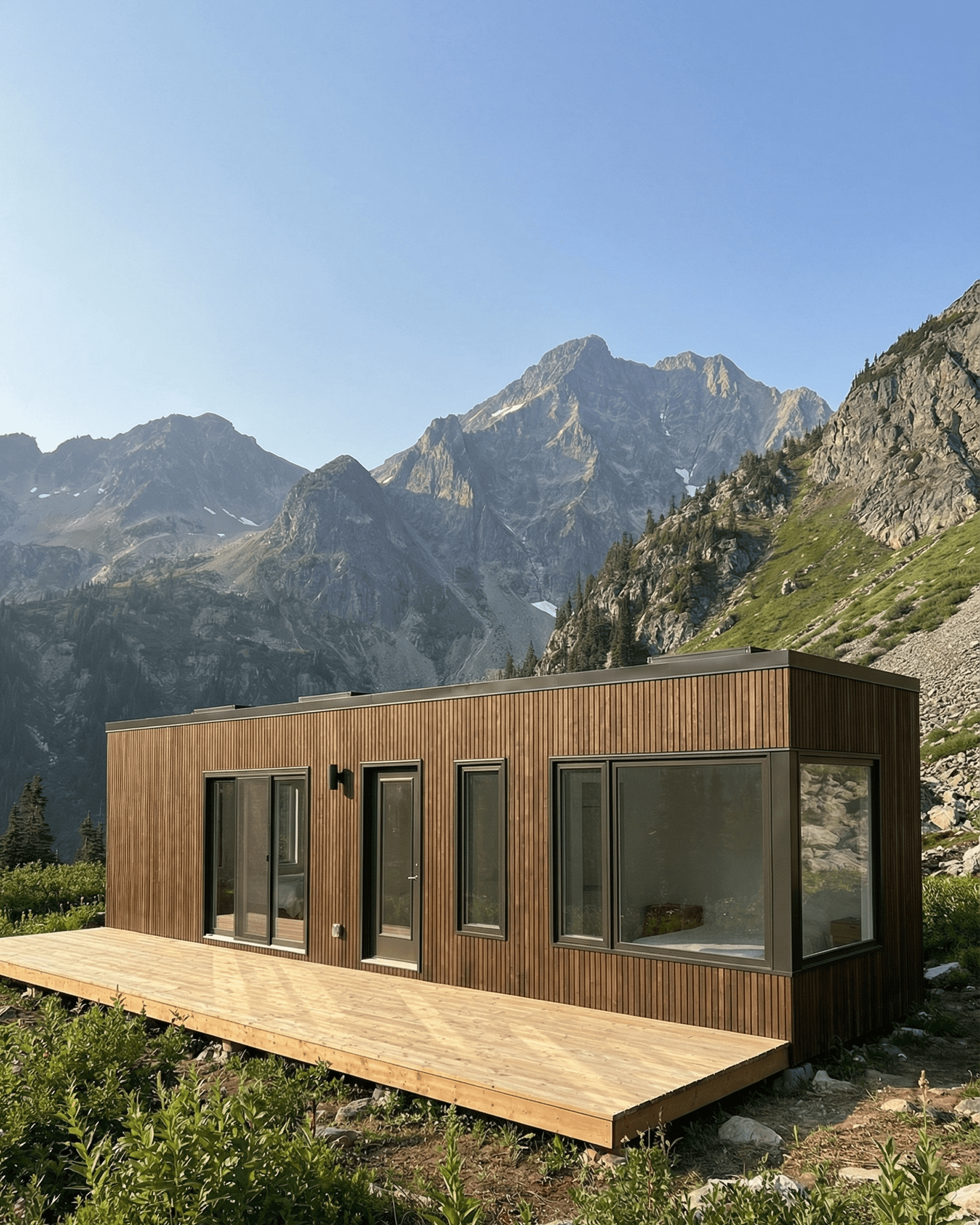
Instead of relying on clever tricks or architectural complexity, the layout focuses on natural light, long sight-lines, and a strong connection to the landscape outside. Multiple skylights run the length of the home, pulling daylight down through the ceiling at different points throughout the day. Large windows on both sides of the long rectangular footprint create cross-light that shifts as the sun moves. The result is a cabin that earns its name, the interior genuinely feels like a lightwell.
The aesthetic sits in a considered middle ground. It has the clean, prefab-inspired silhouette of a contemporary modular design, but the interior is warm, tactile, and lodge-adjacent rather than cold or overly minimal. Warm timber cabinetry, sage-green tile, brass fixtures, and a bedroom built around mountain views all contribute to a design that feels genuinely enjoyable to spend time in, not just impressive in photographs.
The design suits couples and individuals looking for a one-bedroom home that feels architectural without being difficult. It's particularly well-suited to mountain and nature retreat settings, where the outdoor connection and view-focused layout matter as much as the interior finish. It could work as a primary residence, a guest cabin, or a premium short-stay rental for an operator who wants a polished, design-led property. The single-level layout, with no loft sleeping or access ladders, makes it more accessible and more home-like than many compact cabins in this size range.
The Exterior: A Modern Mountain Cabin Plan in Warm Timber
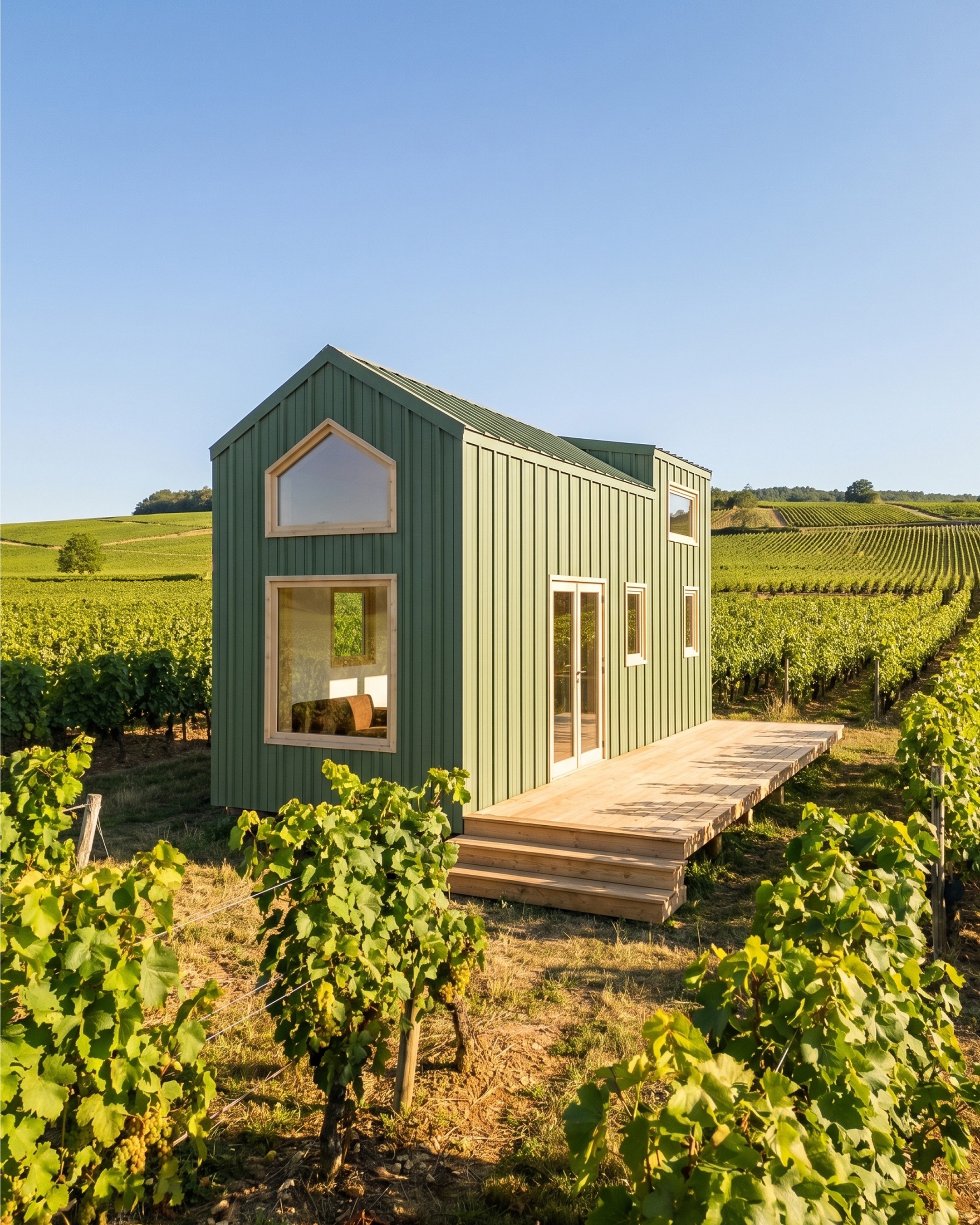
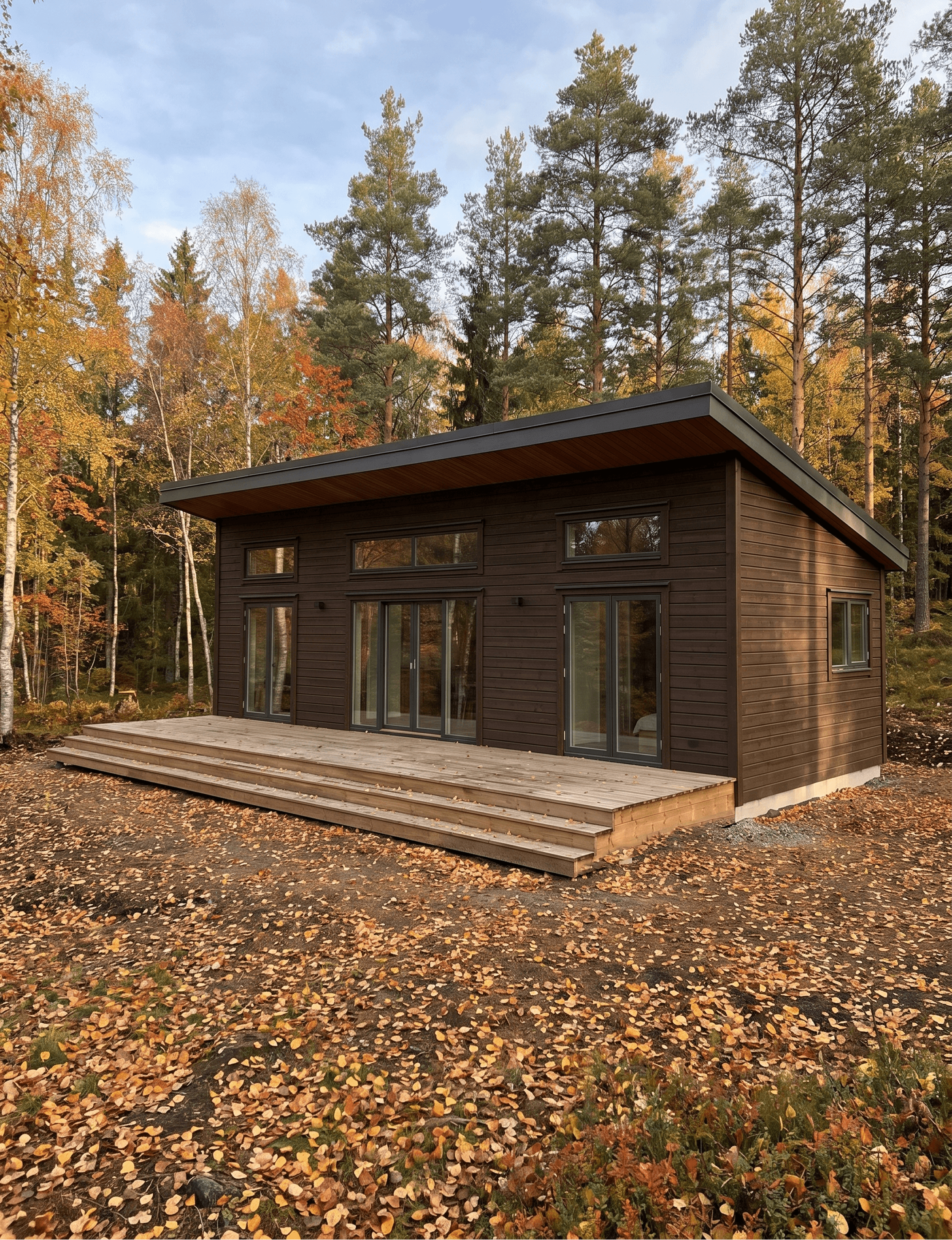
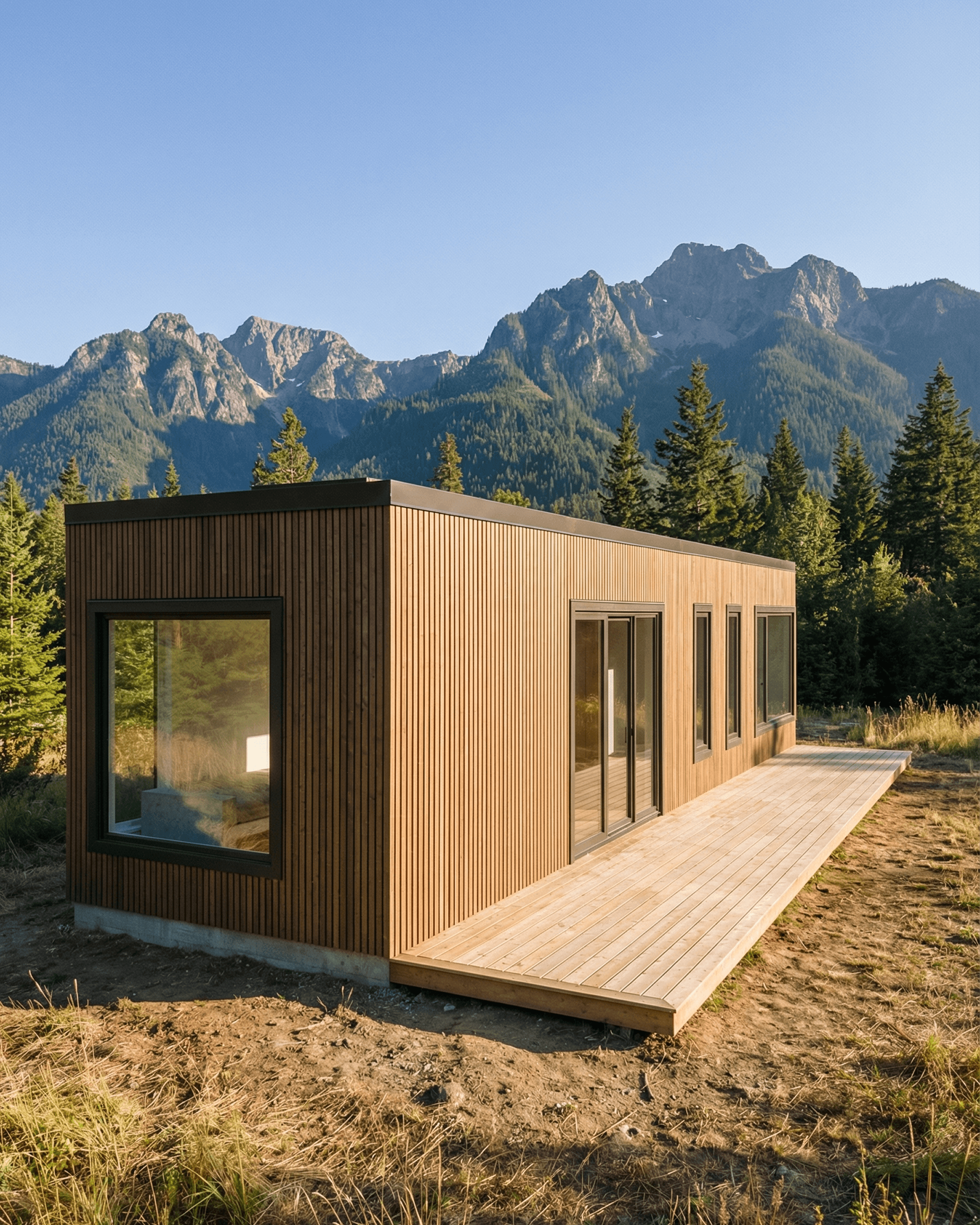
The Lightwell Cabin's exterior makes a strong first impression without trying too hard. The form is a long, low rectangle with a flat or very low-pitch roofline, clad entirely in warm medium-brown vertical timber slat cladding. There are no dramatic curves or complicated shapes. The strength of the exterior is in its restraint: a clean rectangular box that reads as contemporary and considered without feeling cold.
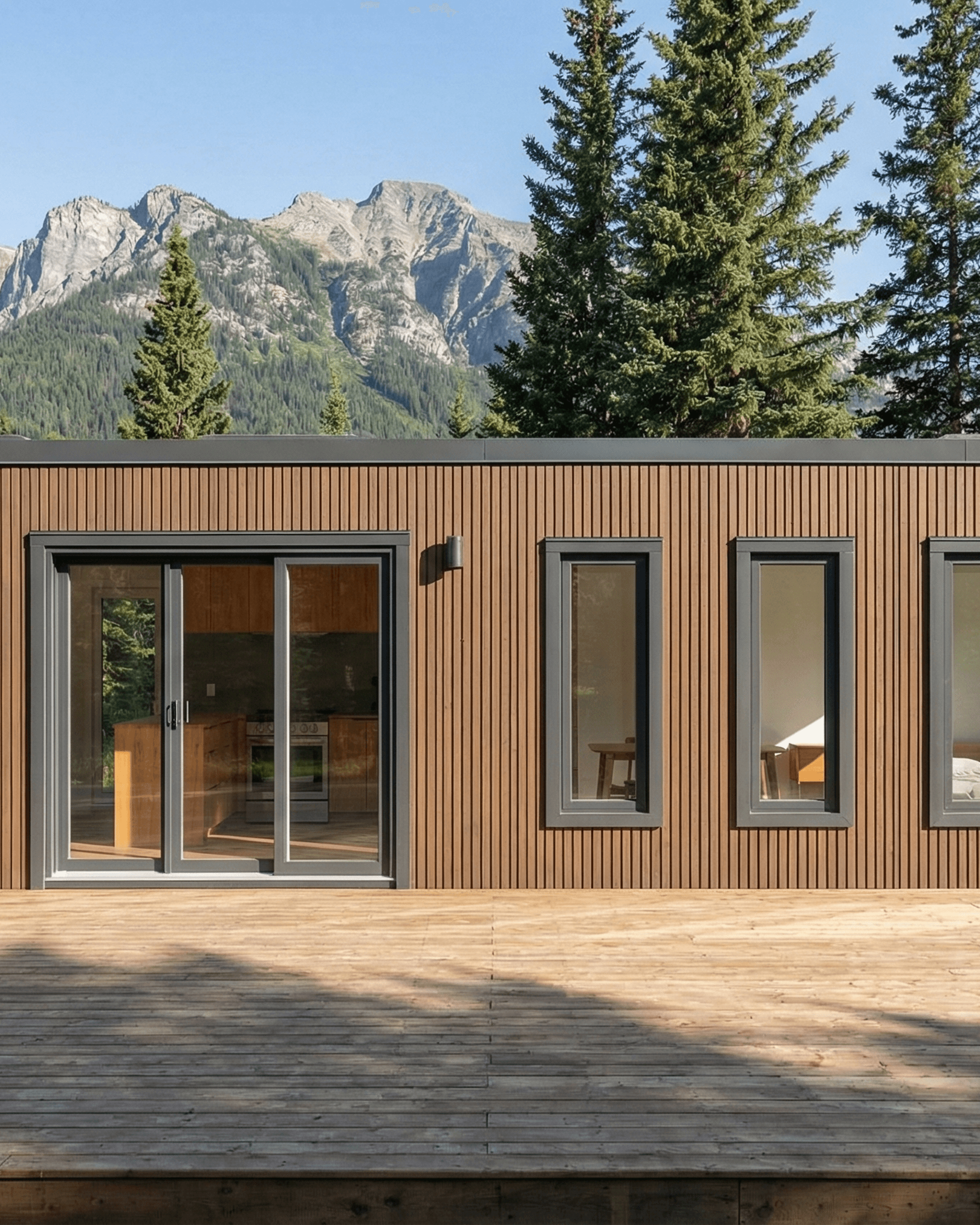
The cladding is the defining material. Warm vertical timber slats run across all visible exterior faces, giving the cabin a consistent, natural character that sits well in mountain and bush settings. A dark charcoal metal cap wraps the roofline, adding a subtle contrast that defines the top edge of the form and sharpens the overall silhouette. The concrete foundation plinth at the base completes the layering: dark cap at the top, warm timber across the body, solid base beneath.
What you'll notice when you look at the exterior:
Double siding glass doors at the front open onto a wide, flat timber deck running the full length of the facade.
Black-framed fixed windows to the right light of the bedroom zone.
A large square picture window at the rear end frames the same mountain landscape from the other side.
Wide timber deck at the front functions as a genuine outdoor room on a view site.
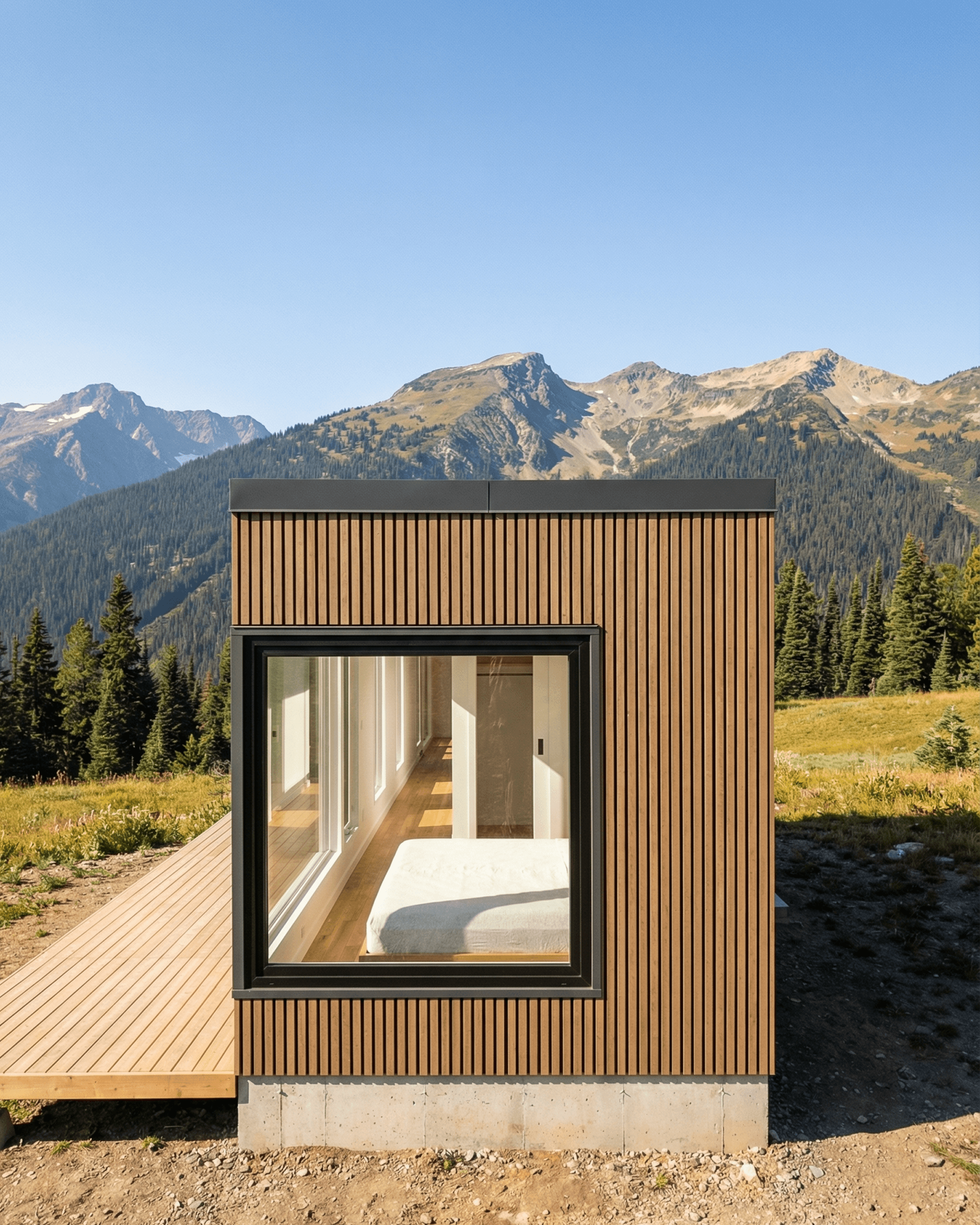
For anyone exploring modern mountain cabin plans with a clean contemporary profile, the Lightwell's exterior is a strong reference point. The warm timber combined with the flat roofline and disciplined window placement creates a cabin that reads as modern but not industrial, and natural without being rustic.
The Kitchen and Dining
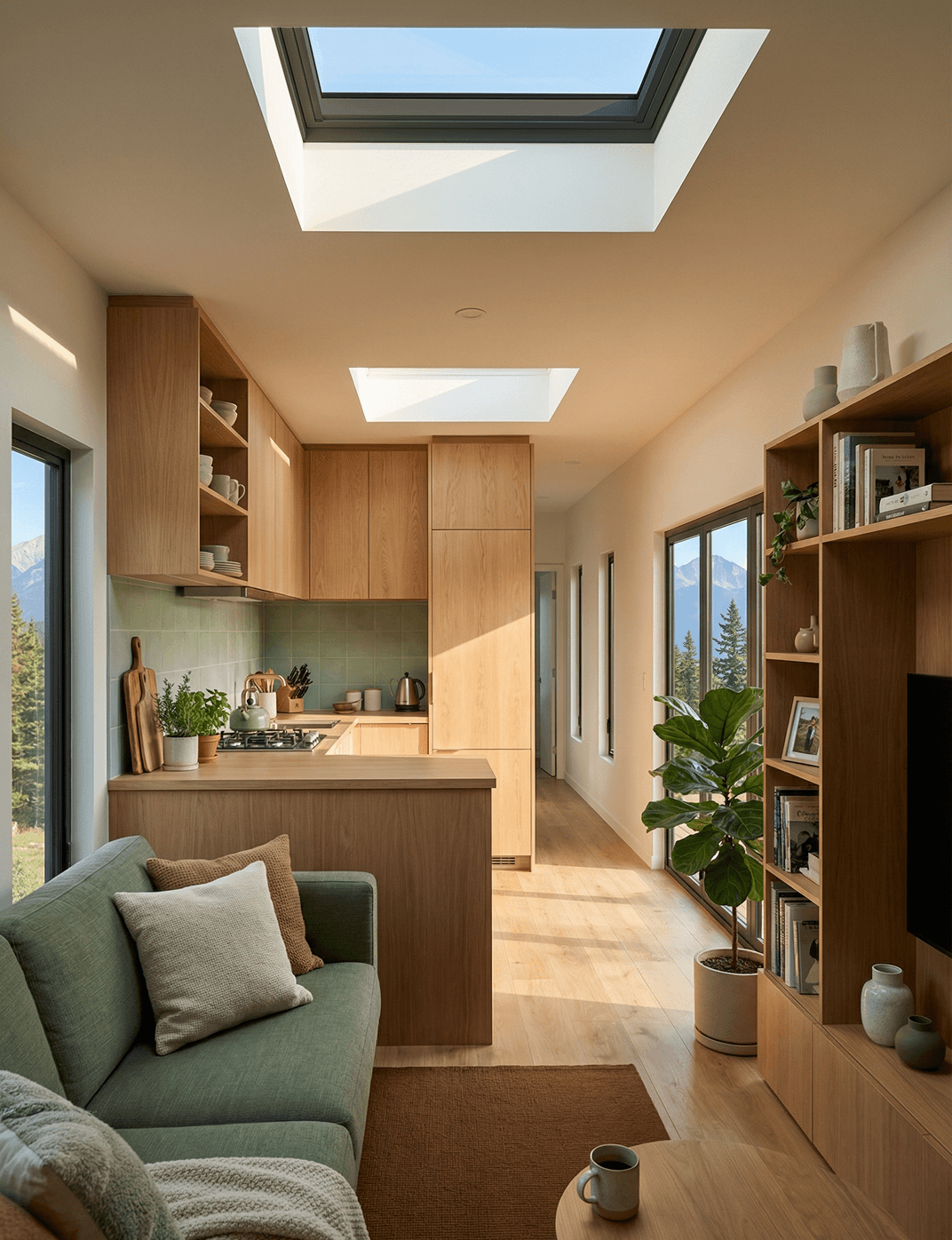
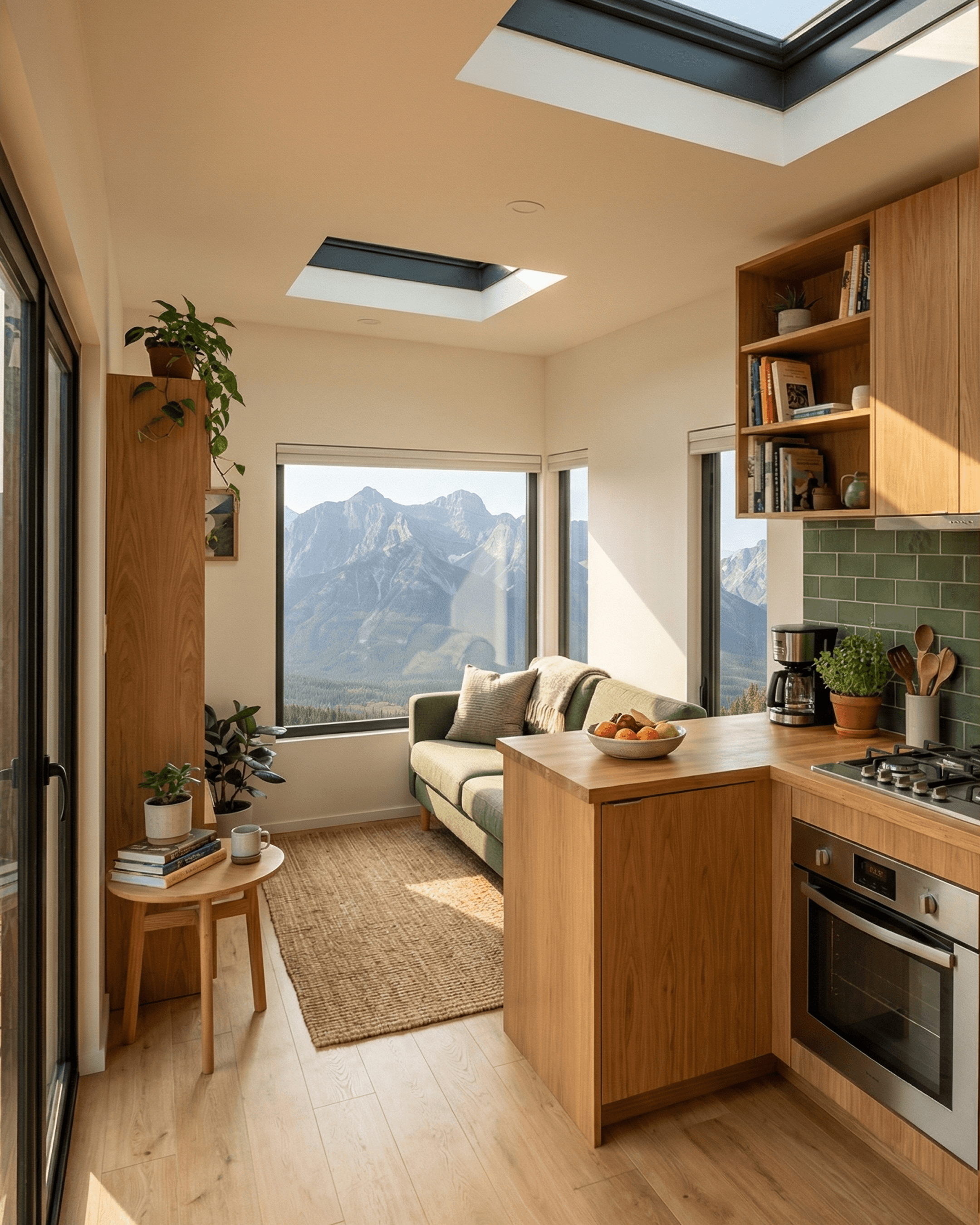
The kitchen runs along one side of the open-plan living zone as a galley-style layout with an eat-in peninsula at the near end. It's full-size in scope and it's clearly been designed for real use, not just for photographs.
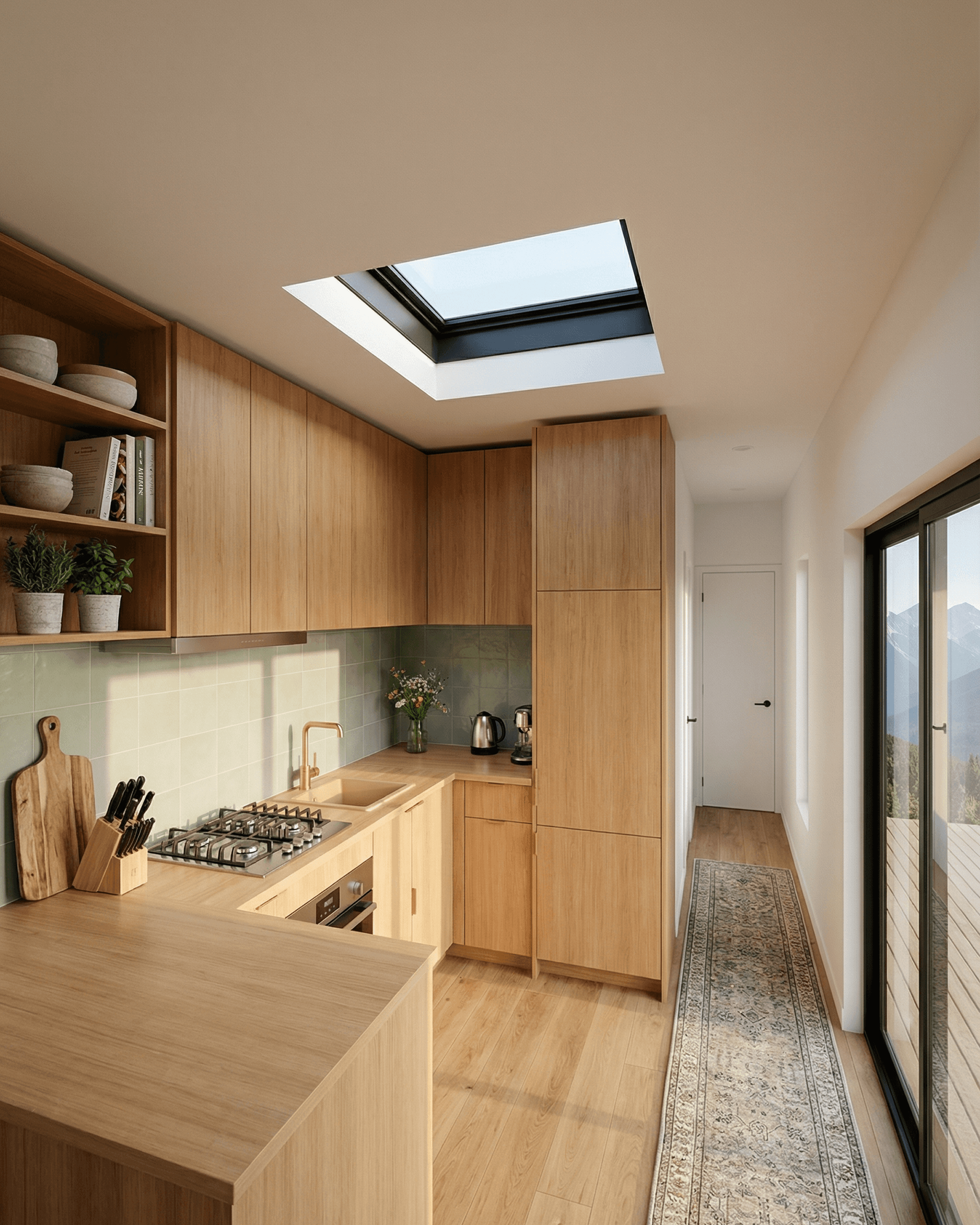
Key kitchen features include:
4 Burner gas hob with a full-width sage-green tile black-splash running behind it.
Flat-panel oak cabinetry in a warm timber tone, upper and lower
Full-height pantry cabinetry at the end of the galley run
Brass tap and hardware throughout, consistent with the rest of the house
Skylight directly above the kitchen zone, providing natural overhead light throughout the day
Eat-in kitchen peninsula at the near end for the casual setting and informal dining.
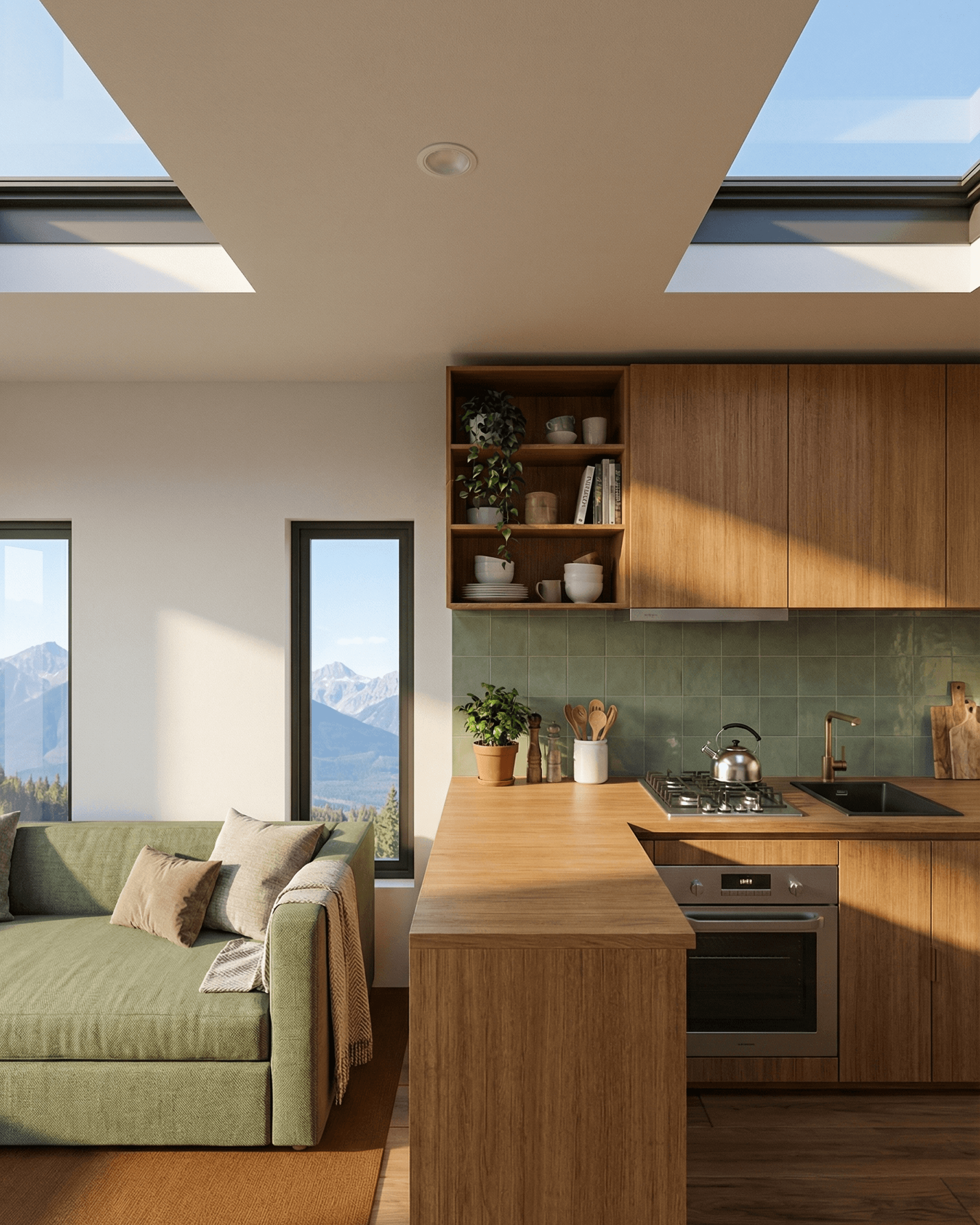
The dining ares connects directly to the kitchen without a door or visual barrier. The peninsula provides seating for casual meals, and the open-plan flow into the living area means the kitchen and dining zone functions as one continuous social space.
The Living Space: Light, Views, and an Everyday Calm
The living area is positioned at the front of the home, directly adjacent to the kitchen, with the full-width sliding glass doors opening onto the timber deck. Two large skylights run overhead, overlapping with those above the kitchen zone to create a corridor of natural light through the centre of the home.
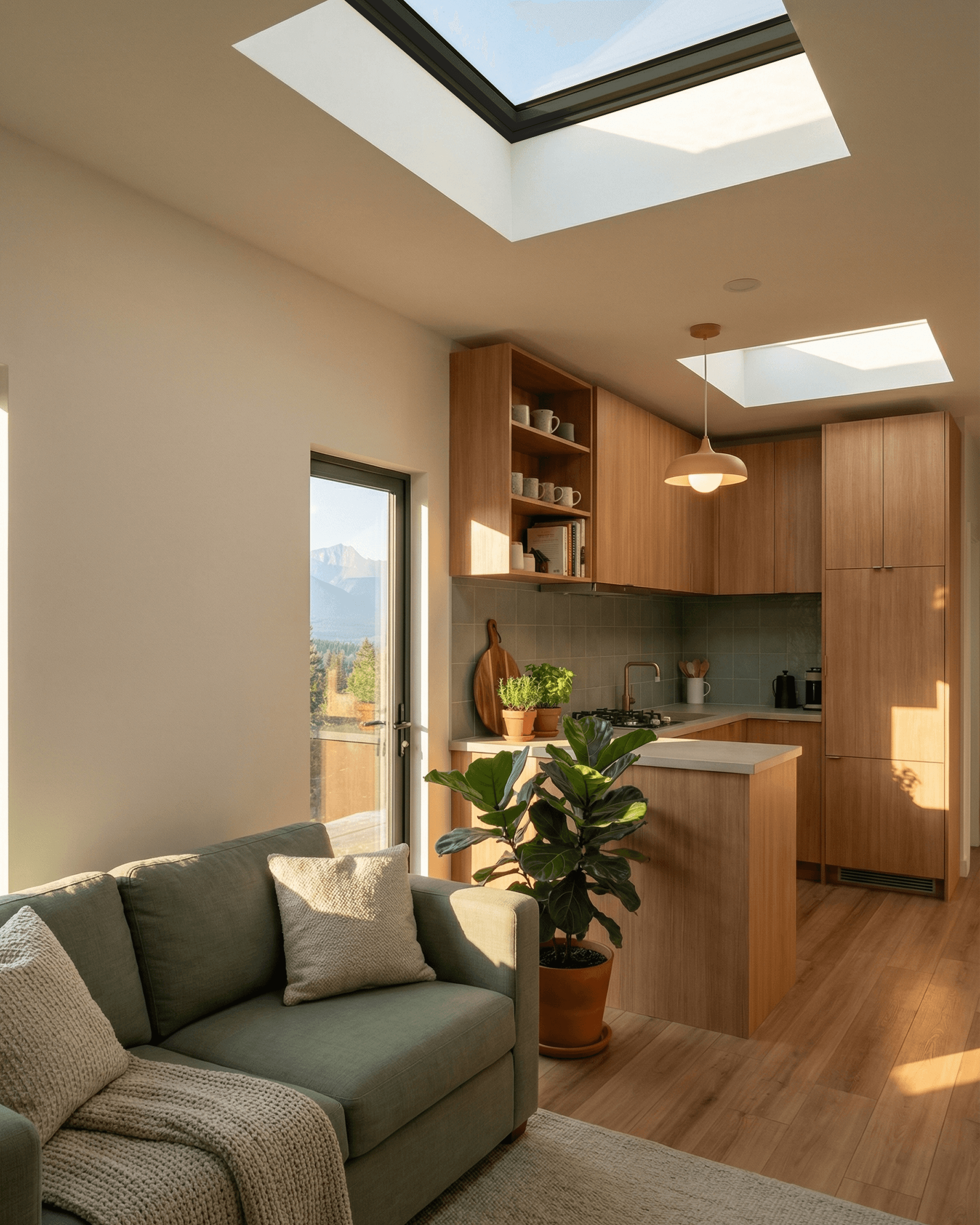
A sage-green sofa anchors the seating area, positioned to face the mountain-view picture window at the far end of the living space. From the sofa, the view is framed by the window rather than obscured by it, which is a deliberate layout decision that makes the living room feel more connected to the setting outside. An open bookshelf unit occupies one long wall, adding both storage and character without the room feeling cluttered.
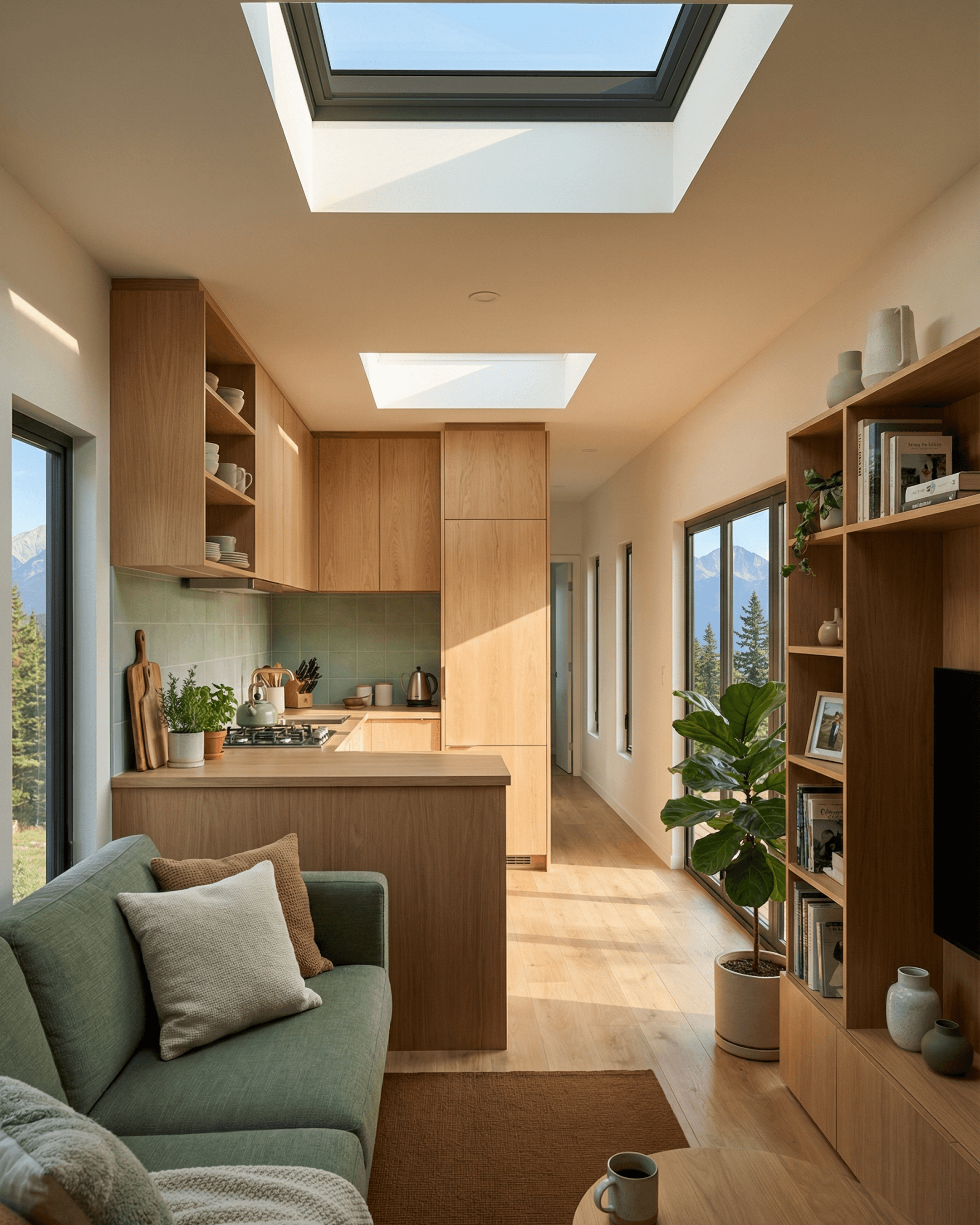
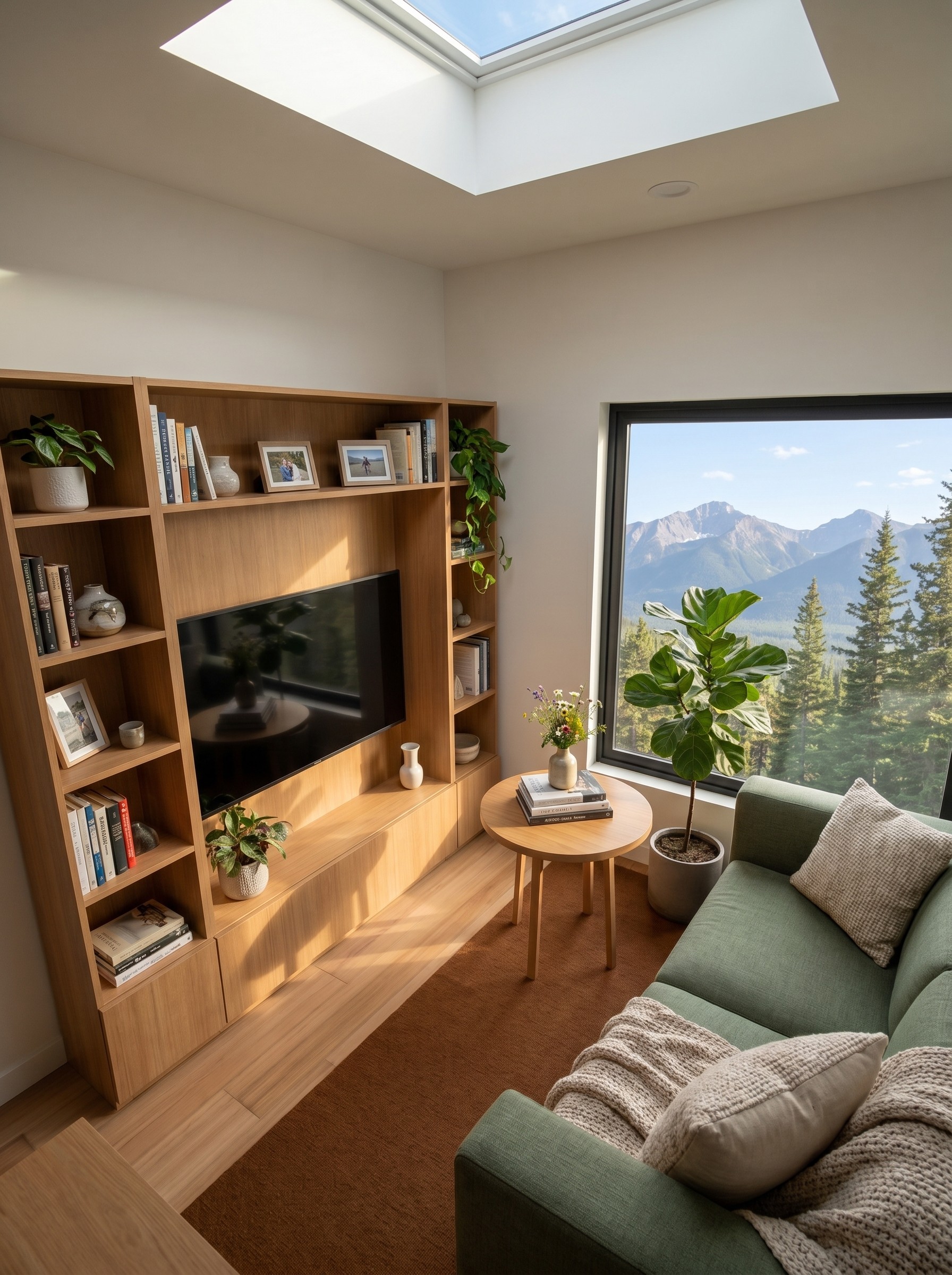
The sliding glass doors to the deck strengthen the indoor-outdoor connection. When open, the living area effectively extends onto the deck, which makes the footprint feel significantly larger than the floor plan suggests. For a modern mountain cabin plan, that relationship between the interior living space and the outdoor setting is one of the more important design considerations, and the Lightwell handles it well.
The floor throughout the main living zone is a light natural hardwood, consistent with the warm palette of the cabinetry and timber accents elsewhere. The walls and ceiling are white, which keeps the space from feeling enclosed and lets the light and views do the design work.
The Bathroom
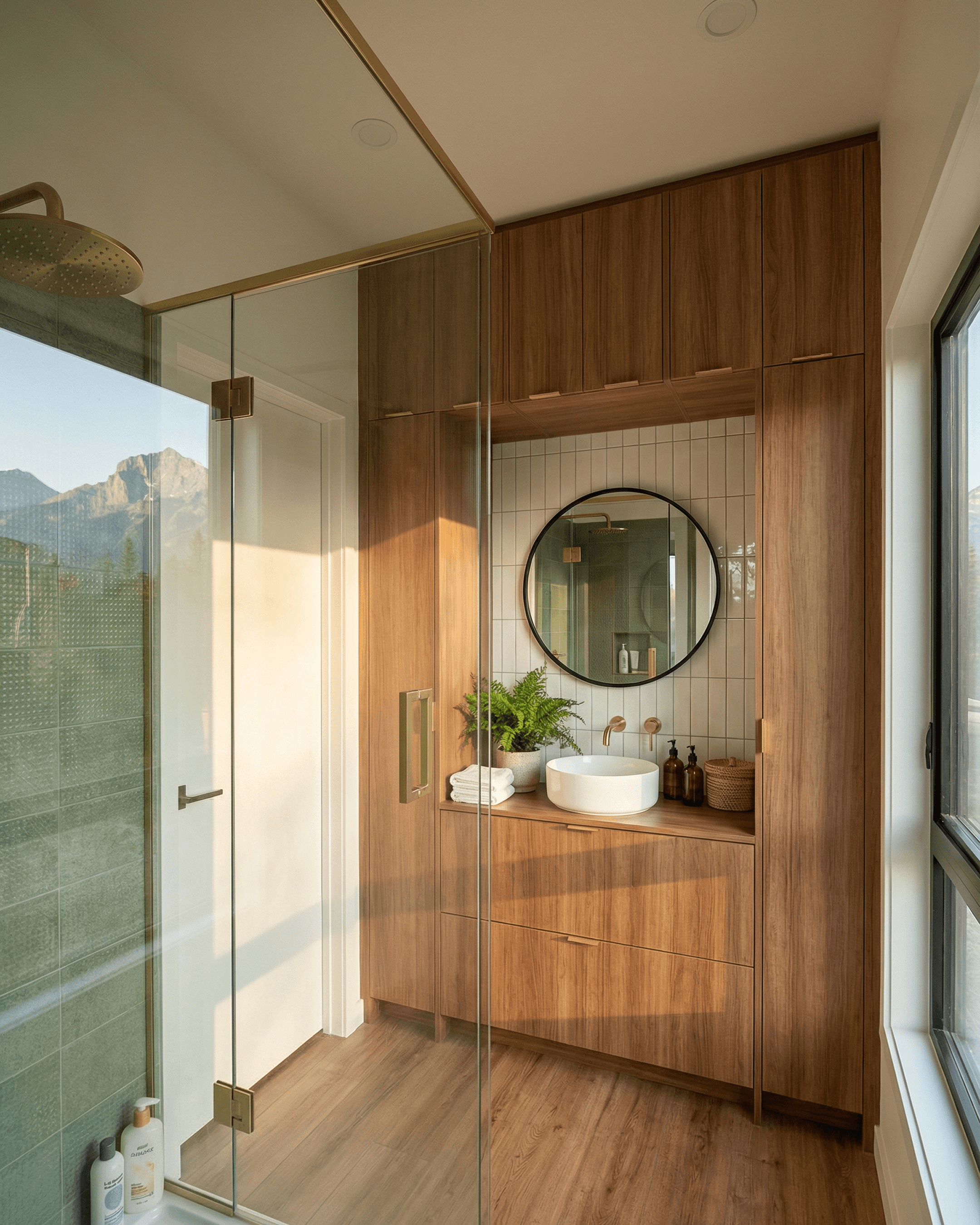
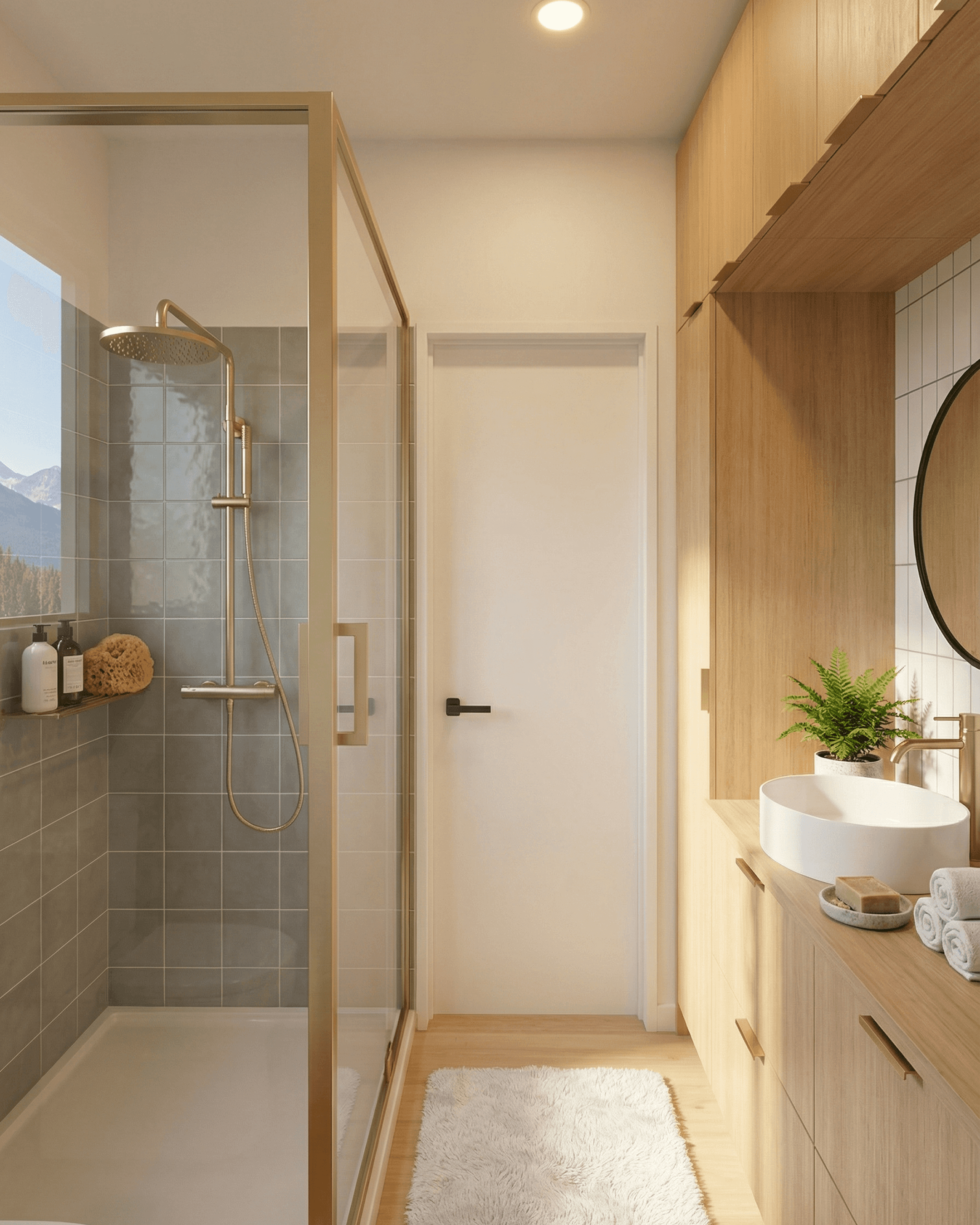
The bathroom in the Lightwell Cabin has a more refined quality than you'd typically find in a compact cabin design. The vanity area is built into a full-height surround of light oak timber cabinetry, which frames the basin like architectural joinery rather than a freestanding unit. A white vessel bowl basin sits on the timber shelf with a brass wall-mounted tap, and a round mirror with a black frame is recessed into the cabinetry above it. Upper storage cabinets extend to the ceiling on both sides of the mirror, maximising the use of the vertical space without making the room feel heavy.
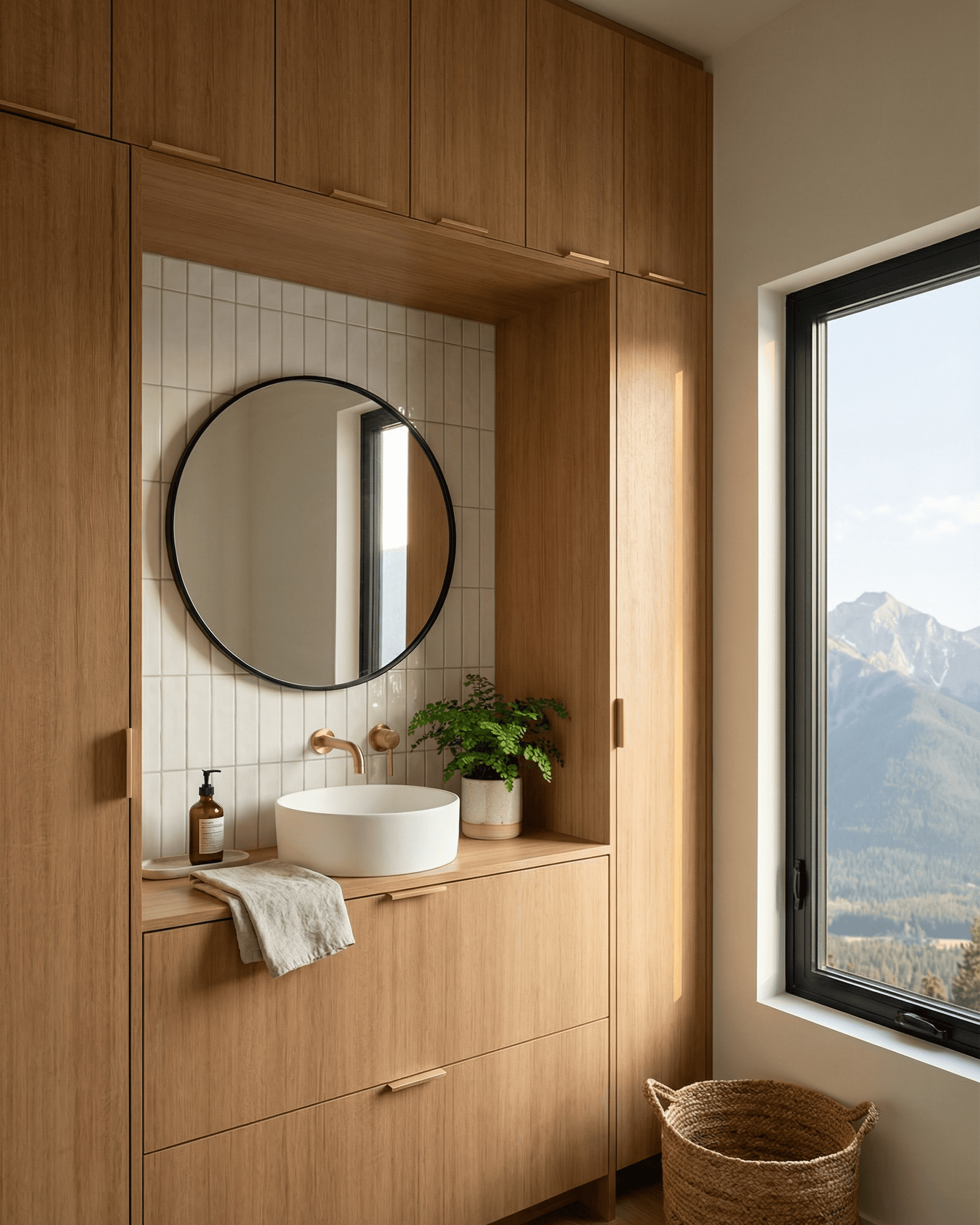
A mountain-view window sits to one side of the vanity, which adds natural light to the room and gives the space a more generous feel than a windowless bathroom would.
The walk-in shower uses full-height sage-green tiles in a colour that ties back to the kitchen backsplash, maintaining a quiet material consistency across the home. Brass fixtures throughout the shower, including an overhead rainfall fitting and a handheld attachment, add a warm metallic detail that sits well against the green tile. A full-height glass panel with a brass frame encloses the shower on one side.
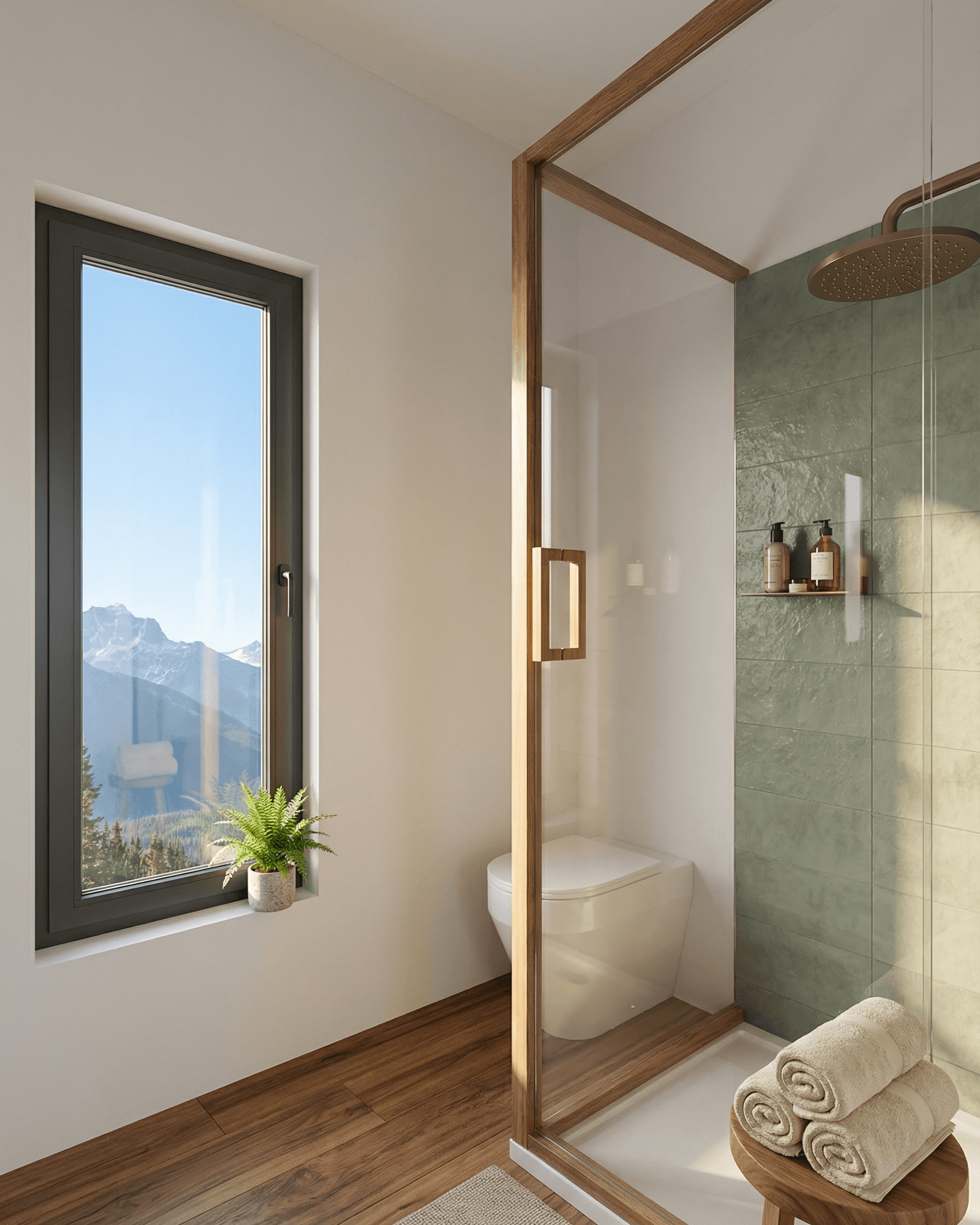
The overall palette of the bathroom, light timber, white tile, black mirror frame, and brass fixtures, reflects a considered approach that matches the warmth and quality visible in the rest of the home.
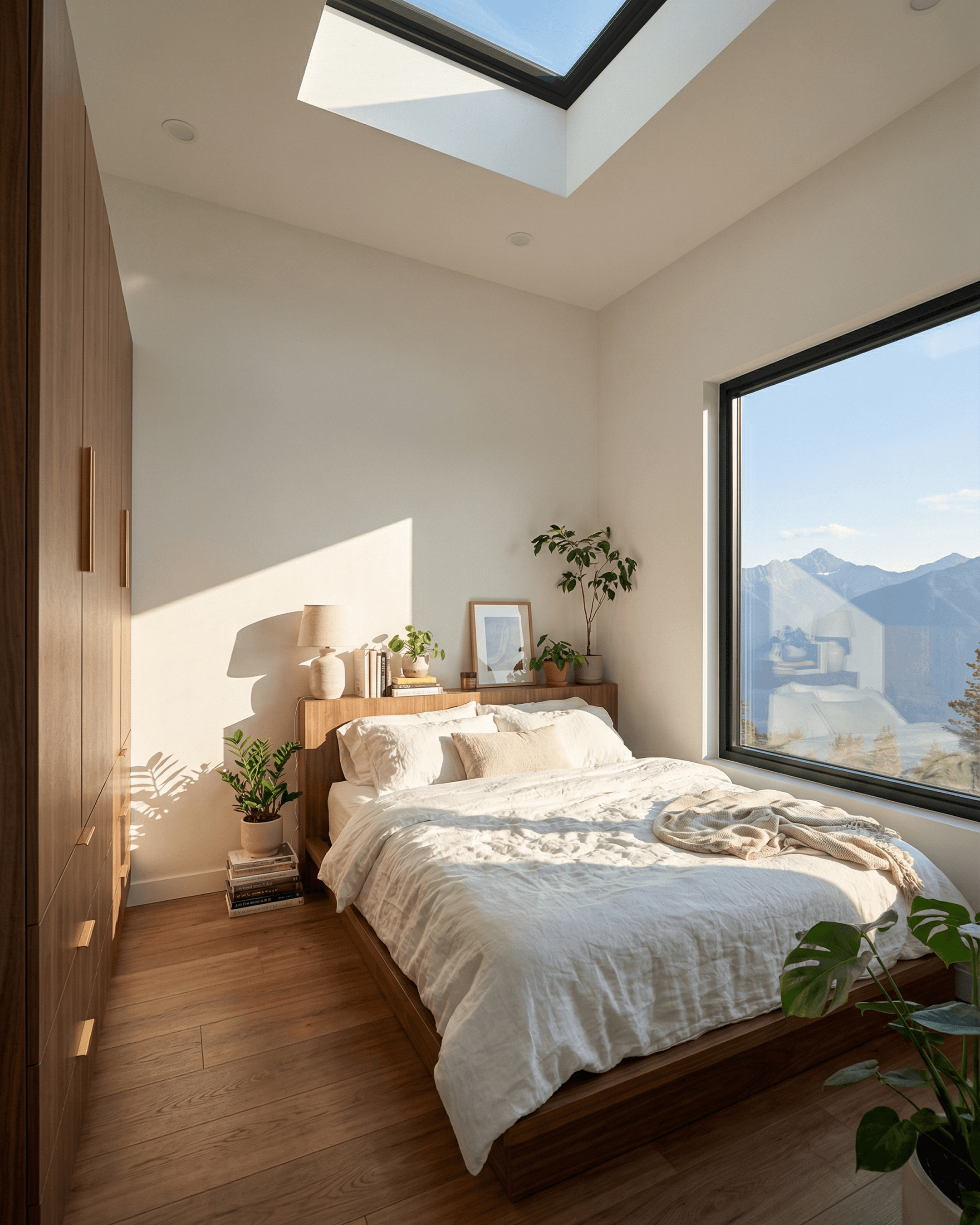
The Bedroom
The bedroom sits at the quieter end of the plan, separated from the kitchen and living areas by the flow of the layout rather than a separate door. It's a room that feels genuinely restful rather than just functional, and the light strategy here is as deliberate as it is in the main living zone.
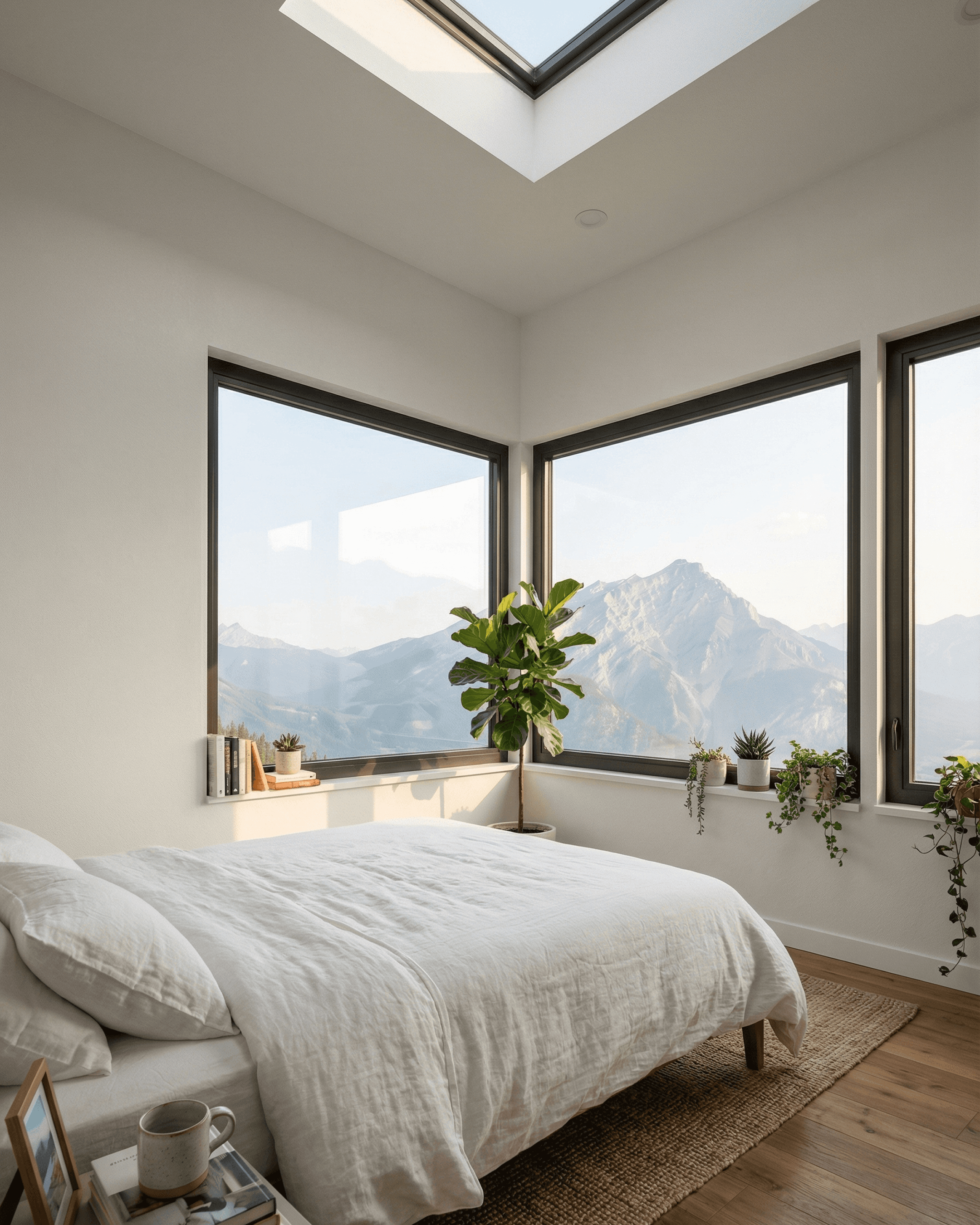
A skylight above the bed brings natural light down from above throughout the day, shifting across the room as the sun moves. A large picture window faces the mountain setting directly, framing a clear view from the bed. In a second render angle, two windows meet at the corner of the room, giving an even wider panorama of the landscape outside. Whether that's a single large window or a corner configuration, the bedroom is clearly arranged to make the view part of the experience of being in the room.
Here's what makes the bedroom stand out:
Skylight above the bed brings daylight down from directly overhead, shifting across the room throughout the day
Large picture window faces the mountain setting and frames a clear view from the bed
Corner window configuration in a second render angle gives an even wider panorama of the landscape.
Full-height built-in wardrobe runs one wall in light timber with integrated handles
Low timber platform bed with white linen bedding
Warm-toned hardwood floor, slightly darker than in the living zone, give the bedroom its own material character
The walls are white throughout, letting the timber, the light, and the view do the work.
The Laundry
A dedicated laundry sits beside the kitchen, with a skylight above and direct external access. This is a practical feature that's often missing from compact home designs, where laundry functions are usually compressed into a bathroom or a hallway cupboard. Keeping it as a separate room with its own light source and outside door makes the home more livable for extended stays and easier to manage as a full-time residence. It's a small detail in the floor plan, but it's the kind of decision that separates a design that's been thought through from one that's simply been made smaller
The Lightwell Cabin in Summary
The Lightwell Cabin is a prefab-inspired modern mountain cabin plan that prioritizes light, livability, and a single-level layout over the lofts and compromises that most compact cabins rely on. It's a one-bedroom design that fits a full kitchen, proper bathroom, dedicated laundry, and a bedroom built around mountain views into a long rectangular footprint, without any element feeling like an afterthought. The warm timber exterior, multiple skylights, sage-green kitchen, and design-led bathroom give it the finish quality of a much larger home.
For builders looking at the modern cabin market, a design like this represents a strong direction: contemporary enough to stand out, warm enough to feel inviting, and practical enough to work as a primary residence, a guest house, or a premium short-stay rental. If you're a builder interested in adding a design like the Lightwell Cabin to your model range, book a demo with the Tiny Easy team to see how you can design, visualize, and present modern mountain cabin concepts like this to your clients.
How We Designed this Cabin Concept
Every part of this cabin plan concept, from the exterior details to the interior layout, was designed entirely within the Tiny Easy platform. No third-party tools, no hand-drawn floor plans, no outsourced renderings. From the first concept through to final handoff documents, the whole process lived in one place.
Design Creation
For builders, one of the biggest bottlenecks in turning interest into a real sales conversation is the time it takes to get a clear design in front of a client. Traditional 3D design tools can be slow to learn, and relying on a designer or draftsperson for every early concept can add cost and delay before the client has even had a chance to properly understand the home.
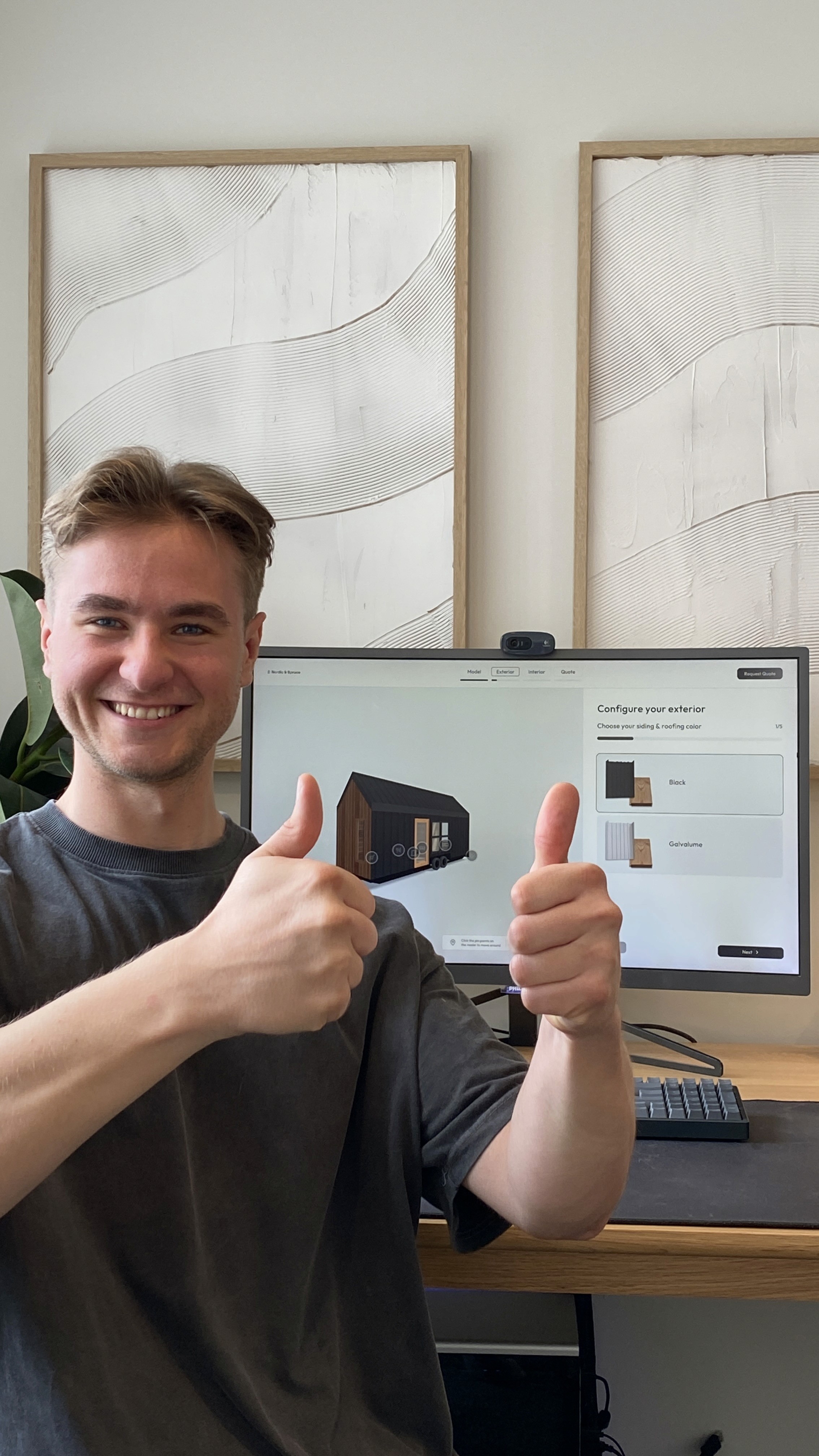
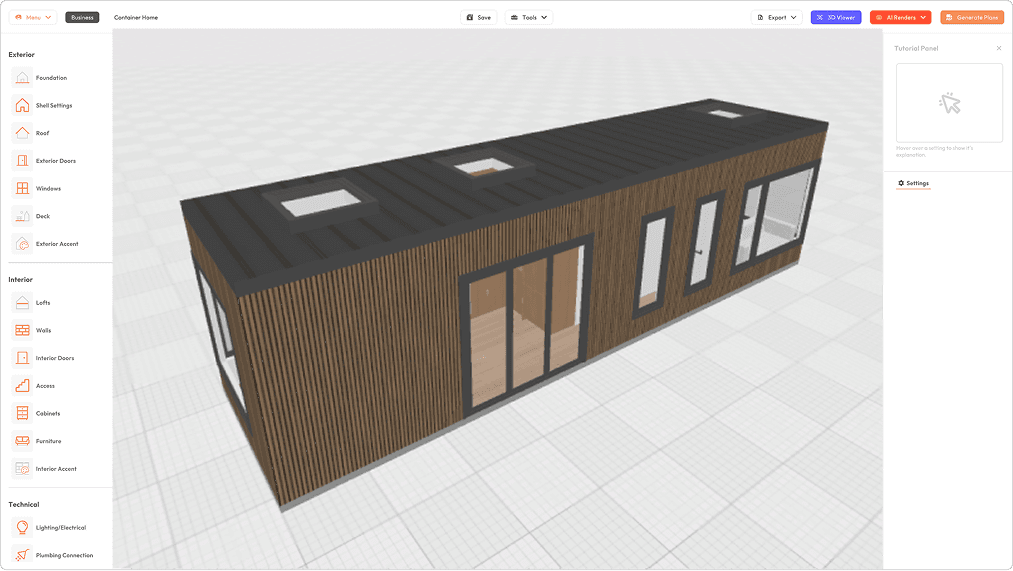
The 3D Designer is Tiny Easy’s design workspace for creating, managing, and tailoring tiny homes, cabins, granny flats, ADUs, and more within one connected system. Builders can use it to build out their core model range, save designs as reusable templates, test new ideas, explore layout options, and refine their designs over time.
Inside the Designer, the structure can be shaped using tools like Foundation, Shell, and Roof, before completing the model with doors, windows, walls, interior doors, cabinetry, furniture, fixtures, lighting, and finishes. This gives builders a practical way to create complete 3D concepts without needing to start from scratch or rely on complex modelling workflows.
Where this becomes especially valuable is in the sales process. Instead of designing a new cabin from a blank canvas for every enquiry, builders can pull the most relevant model from their existing range into a client project, tailor the layout, finishes, openings, and key details, then present a concept that feels specific to that client.
That speed changes the quality of the conversation. Clients are not left trying to imagine the home from 2D plans, rough sketches, or verbal explanations. They can see the design clearly, understand the layout, explore the options, and build confidence in the direction before moving further into pricing, proposal, or approval.
For builders, the result is a faster and more professional path from enquiry to client-ready cabin concept. The 3D Designer helps turn design into a sales tool, giving builders a repeatable way to respond quickly, communicate clearly, and move serious clients forward while interest is still warm.
Visualization
Once a design is complete, the next challenge is presenting it in a way that actually converts interest into commitment. Traditionally, that meant outsourcing renders to a freelancer — which adds cost, turnaround time, and rounds of back-and-forth — or investing in professional rendering software that requires its own lengthy setup before a single image is produced. For a small home builder running a lean operation, neither is a sustainable way to work.
The AI Render Tool takes care of that. Once the design is finalised in the 3D Designer, renders are generated directly from within it. The only setup required is positioning the camera, choosing an environment, setting the time of day and season, and hitting render. The result is a photorealistic image of the home, produced in minutes rather than days — and at a fraction of the cost of conventional methods.
The 3D Viewer Tool adds another layer to the client experience, letting them explore the completed design in interactive 3D from any device. Sharing it is as simple as sending a link. Scale and spatial flow can be difficult to communicate on paper — paired with AI Renders, a 3D virtual tour gives clients the confidence to take the next step without hesitation.
Presentation
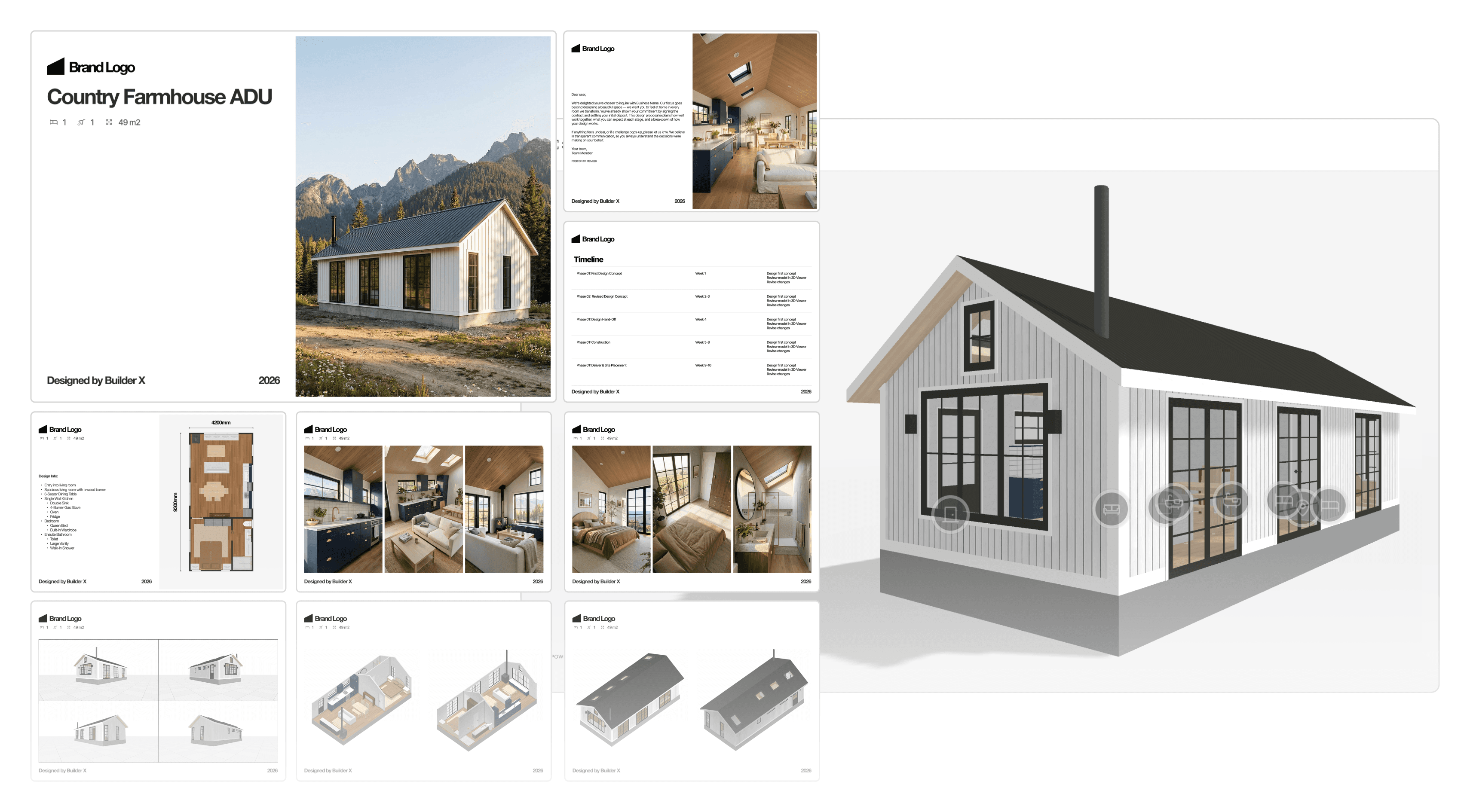
Once a design is ready, the next challenge is turning all the project information into a proposal that feels clear, professional, and easy for the client to understand. For many builders, this is one of the most tedious parts of the sales process. The design may already be done, the renders may be ready, and the pricing may be prepared, but pulling everything together into a polished client proposal often means jumping between Canva, PowerPoint, PDF exports, spreadsheets, and old proposal templates that are either too rigid or too difficult to edit.
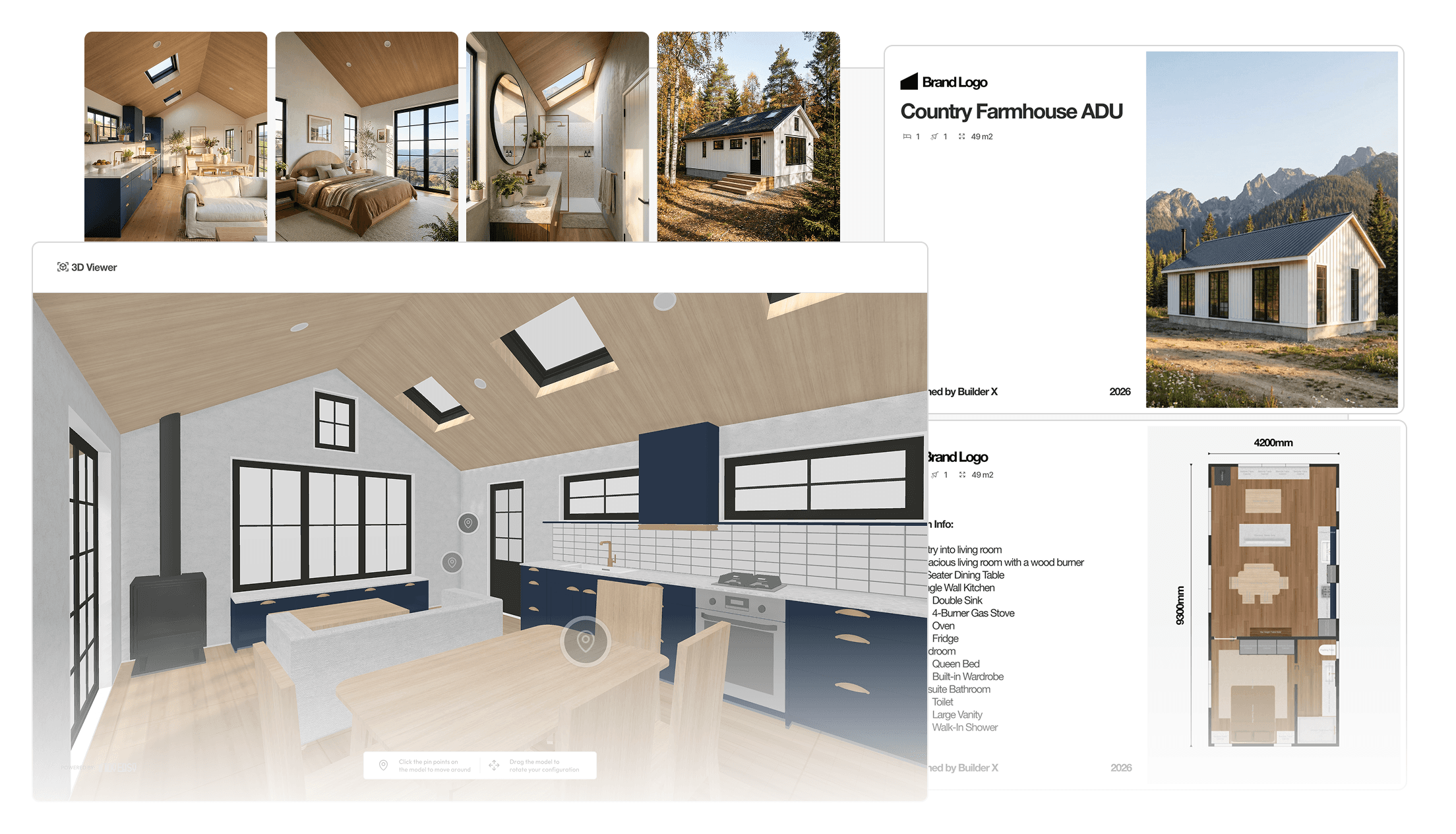
The Proposal Builder is Tiny Easy’s proposal creation tool for building professional, branded client proposals within one platform. It helps builders bring together the key parts of a project, including 3D Viewers, PDF plans, AI Renders, specifications, pricing, inclusions, available options, and next steps, into one clear presentation.
Instead of starting from a blank document every time, builders can begin with suggested proposal templates designed around the way small home projects are actually sold. These templates provide a practical page structure for presenting a customised design, with sections for introducing the project, showcasing the design, explaining the layout, outlining specifications, presenting pricing, and guiding the client toward the next step.
This gives builders a faster way to insert the right content in the right order without needing to design a full proposal from scratch. Pages can be adjusted, removed, duplicated, or added as needed, so the proposal can still be tailored to the client without becoming a complicated custom design task.
The value is not just that the proposal looks better. It helps the client understand the project faster. Instead of receiving disconnected files, flat plans, separate renders, and a pricing document, they get one polished proposal that brings the design story together. They can see the home, understand the layout, review the key details, and know exactly what happens next.
For builders, this creates a more repeatable and professional sales workflow. It reduces the time spent assembling proposals manually, keeps presentations more consistent across the team, and helps move clients toward sign-off, approval, or deposit with greater confidence.
Handoff
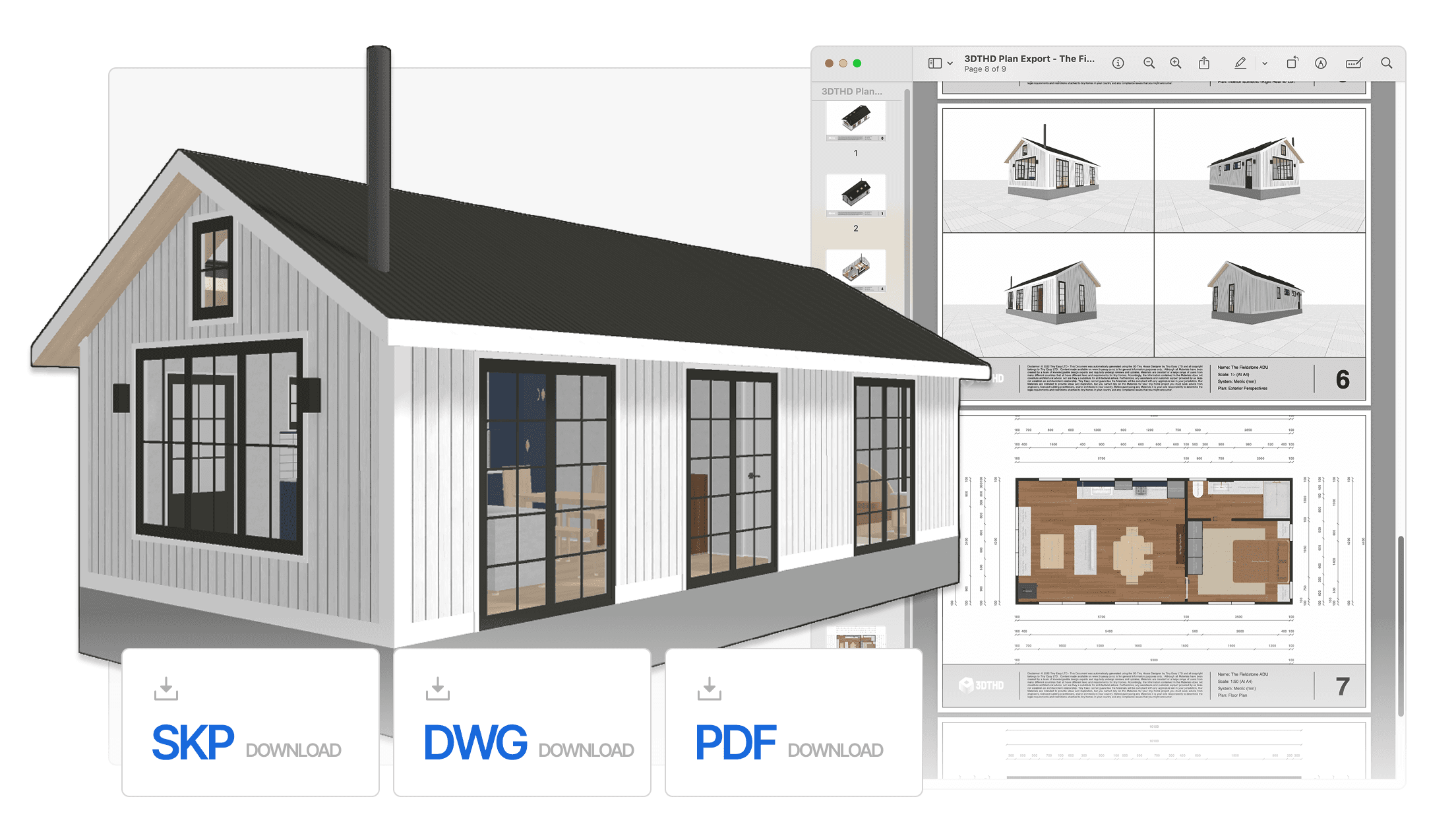
When the design is approved and it's time to move into documentation, the 3D Designer exports everything needed to take the project forward. PDF plans are generated directly from the model — accurate, professional documents that give a draftsperson or architect a clear picture of the design intent without any redrawing required.
Alongside the plans, an auto-populated material take-off spreadsheet exports directly from the design. Rather than manually costing a new model from scratch, the material list is already populated and ready to work from — saving hours in the estimation process and reducing the margin for error when putting a quote together.
For those who need to take the model further, the 3D Designer also exports a SketchUp file, allowing the design to be carried into more advanced workflows without having to rebuild from scratch.
For builders, this closes the loop on the entire process — from first sketch to professional handoff — without the design ever leaving the platform. It's a faster, cleaner way to work that reduces errors, saves cost, and keeps the project moving.
Ready to Design your Own?
This cabin design is proof that a small footprint doesn't mean compromising on quality — in the design, the experience, or the process behind it.
What made it possible wasn't a team of designers or an expensive production pipeline. It was a single platform, built specifically for the way small home builders actually work.
If you're a builder who wants to walk into your next client meeting with renders like these, proposals that are ready to go, and a process that runs end to end without the usual friction — book a call with us and let's talk about what you're building.